
Po polsku: Erem Kamedułów na Bielanach
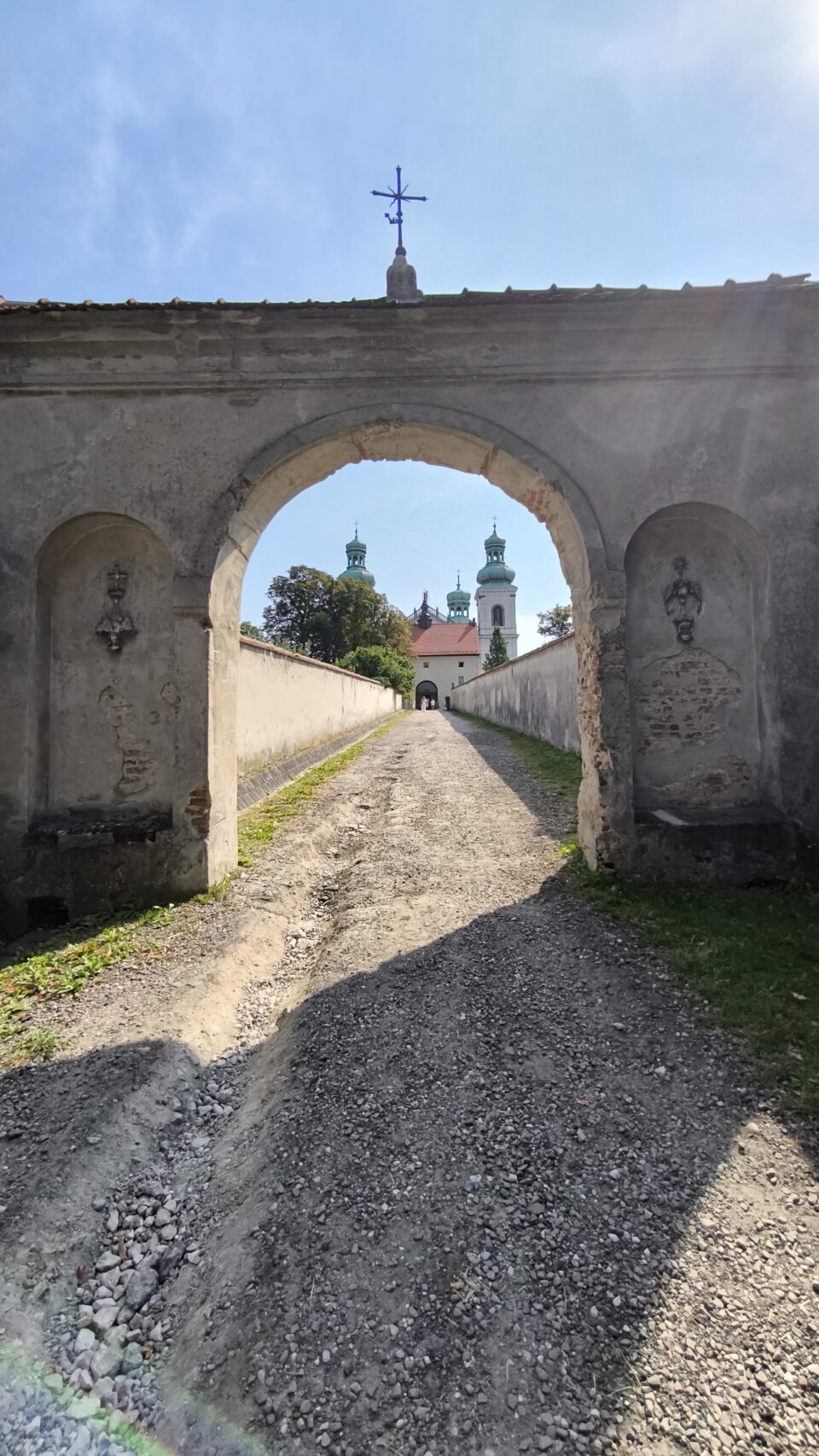
Would you visit a monastery that women can enter on only 12 days a year? That is the rule at the Camaldolese Hermitage (Erem Kamedułów) in Bielany. It stands on top of Srebrna Góra (Silver Mount), next to the Wolski Forest (Las Wolski), within the city of Kraków.
Who are the Camaldolese monks?
The Camaldolese (in Polish: kameduli) take their name from Camedoli, the place where the first Camaldolese community was founded in the early 11th century. Their life follows the strict Rule of St Benedict.
A monk’s day begins at 3:30. They live alone, each in his own little house or separate cell. They pray together, and only a few times a year do they eat a meal together. They do not eat meat. Their habit is white, with a hood, tied with a linen belt and worn with a scapular.
You may have heard that they constantly live with death, never speak to each other and sleep in coffins. That is a myth, a product of people’s imagination.
There are only a few Camaldolese monasteries in the world, with about a hundred hermits in total. Half of them are Polish.

Women and the 12 open days
This is the thing every visitor should know before setting out. Because of the strict rules of enclosure (klauzura), only men may enter the monastery grounds every day. Women may cross the threshold of the gate on 12 days a year.
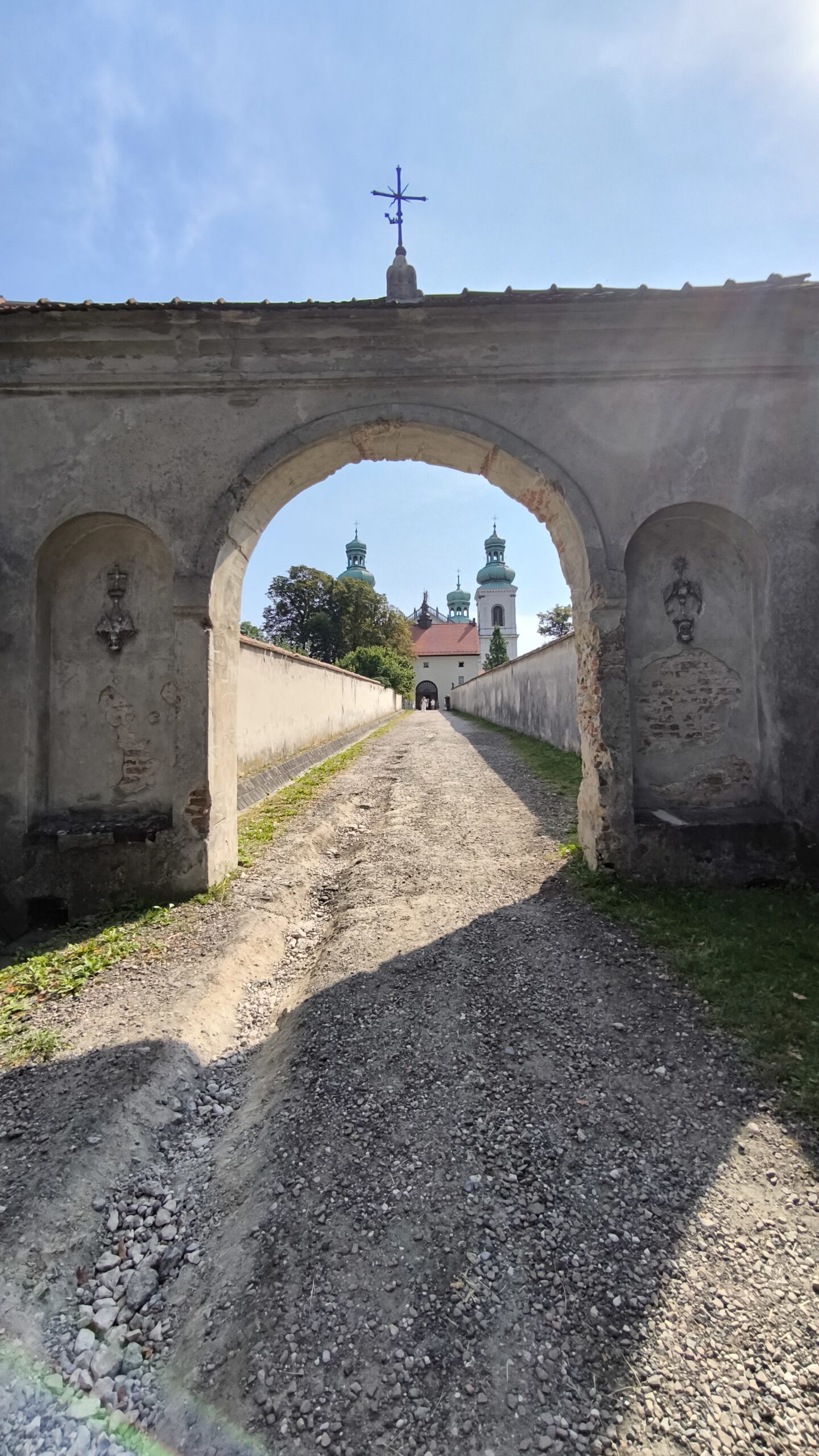
The Polish original was written by guest author Grażyna Kubiak, and she learned this the hard way. She went on a beautiful day in May and found the door closed. She could admire only the vault by the gate, which is decorated with lovely paintings. After a short and fruitless conversation with the monk guarding the entrance, she left. She came back a year later, on 15 August, and was warmly welcomed by friendly, cheerful monks.
According to the notice board at the monastery gate, men are let in every day, every half hour, between 8:00 and 11:00 and between 15:00 and 16:30.
Women may enter on these 12 days:
- 7 February
- Annunciation (Zwiastowanie Pańskie), 25 March
- Easter Sunday
- Pentecost Sunday (Zielone Świątki)
- The Monday after Pentecost Sunday
- Corpus Christi (Boże Ciało)
- 19 June
- The Sunday after 19 June
- Assumption of Mary, 15 August
- Nativity of Mary, 8 September
- Immaculate Conception, 8 December
- Christmas Day, 25 December
My tip: check the list before you plan your trip, and remember that Easter and Pentecost move from year to year.
The church and the silver mountain
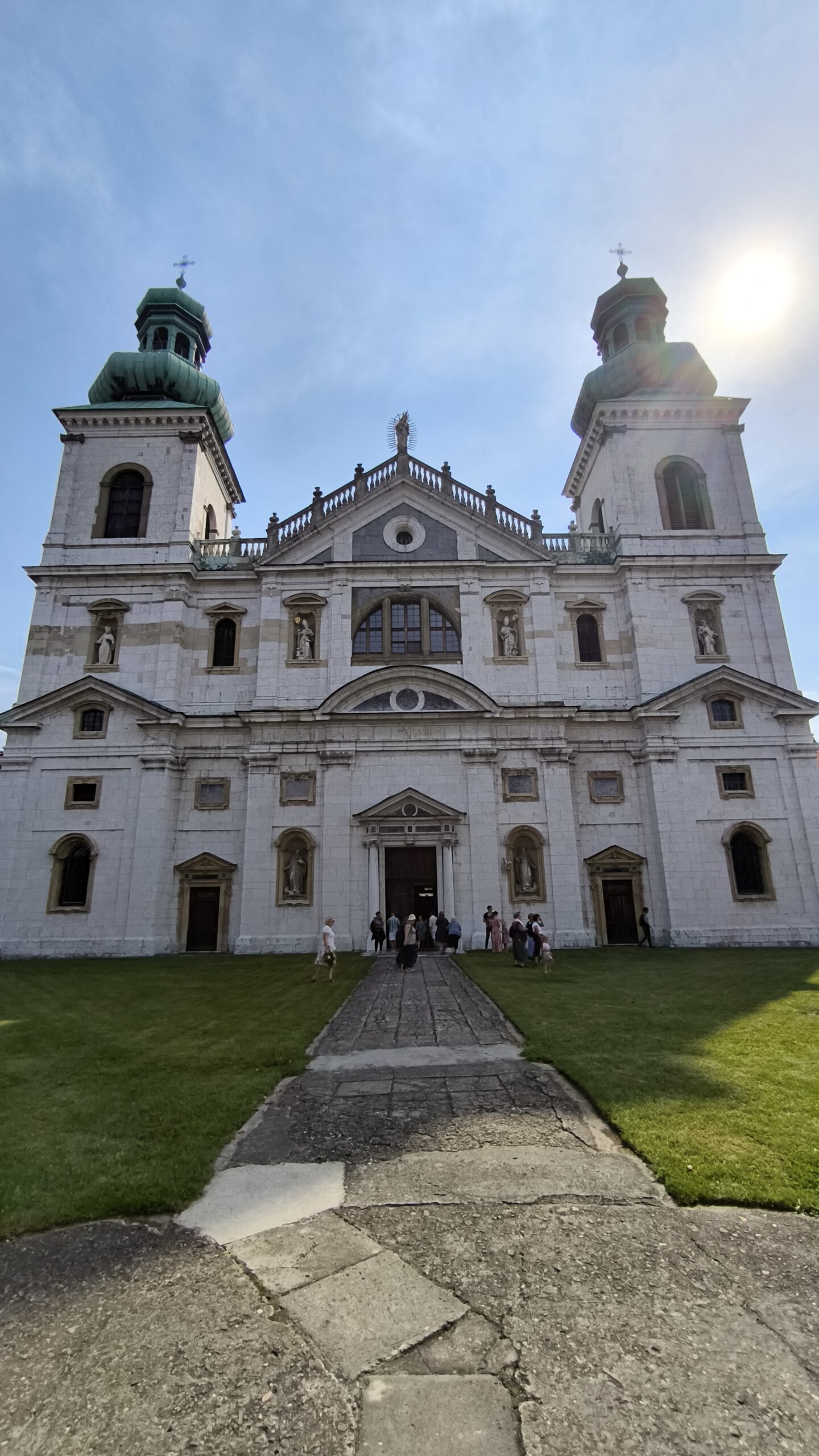
Inside the gate you will find a white church dedicated to the Assumption of the Blessed Virgin Mary (Wniebowzięcia Najświętszej Maryi Panny). It was built in the early 17th century and consecrated in 1642. It serves the monks and also local residents, or more precisely, local men. Mass is celebrated here every day, but women may attend only on the open days.
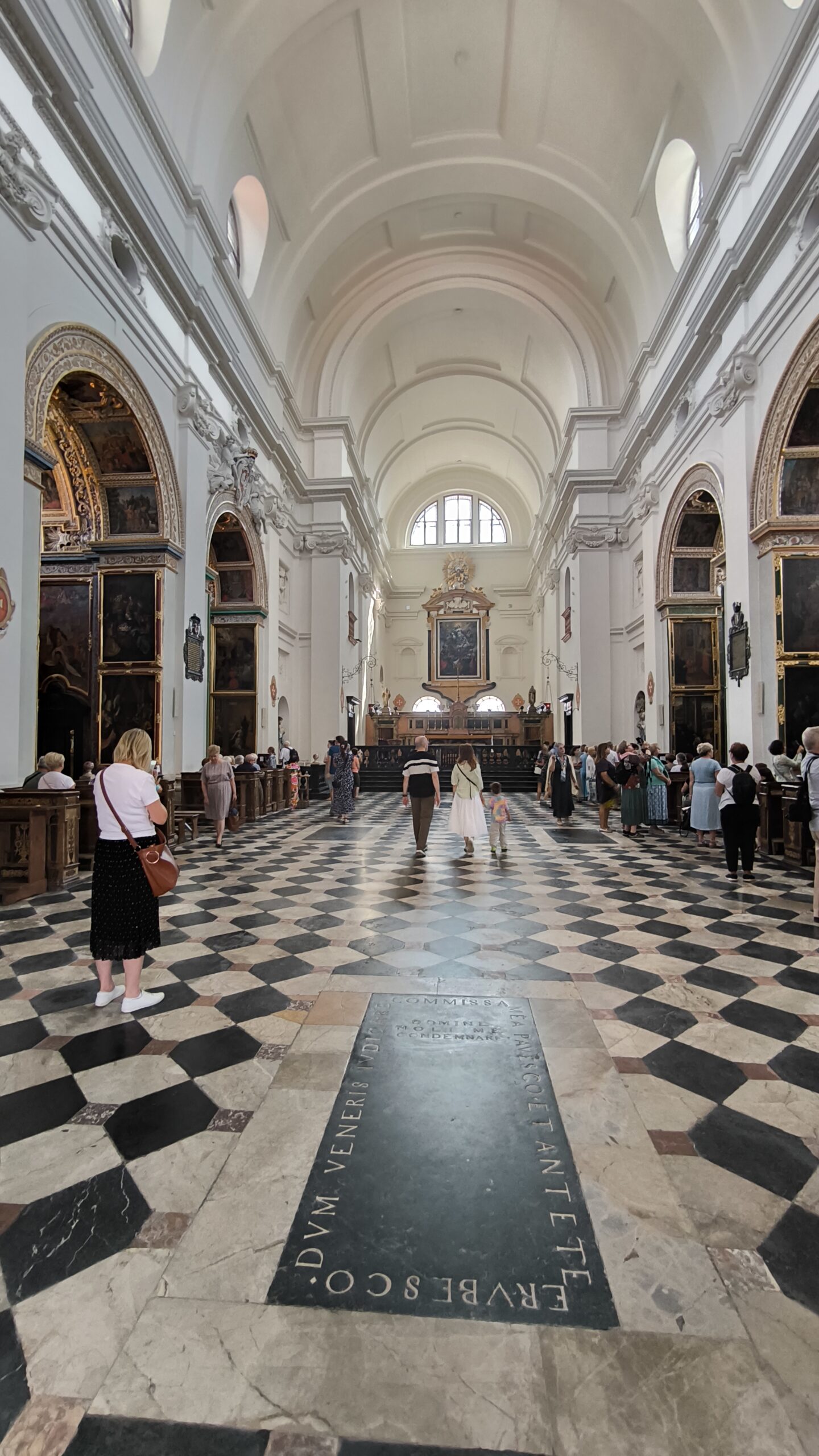
The interior is spacious, fairly bright and austere, with black marble elements. Colourful paintings in the side niches and decorated wooden pews bring some life to the black-and-white space.

The hermitage was founded in 1604 and is considered the first Camaldolese monastery in the Polish lands. The monks were brought to Poland by Mikołaj Wolski, the Grand Marshal of the Crown (marszałek koronny), who funded both the hermitage and the church.
The monks chose the Bielany hill, which then belonged to the castellan Sebastian Lubomirski. He refused to sell it, so Wolski used a small trick. He invited Lubomirski to a splendid feast and told the guests how hard it was to buy land for the hermits. With everyone watching, Lubomirski had no choice but to give Srebrna Góra and the village of Bielany to the monks.
He was well rewarded, though. Wolski gave him a pile of silver vessels, and that is said to be how Srebrna Góra got its name. Wolski himself is buried right by the church door.

Catacombs under the church
Beneath the church are catacombs, because the Camaldolese do not have traditional graves. After a monk dies, his remains, dressed in a white habit, are placed in a crypt and walled up. Each grave has a label with the monk’s name in religious life, the number of years he spent in the monastery and his age. Some of the crypts are said to date from the first years of the monastery.
Famous guests
Over the centuries the hermitage has hosted notable visitors: Jan III Sobieski with his wife Marysieńka, Władysław IV and Stanisław August Poniatowski. Jan Kazimierz hid here while fleeing from the Swedes.
In 2002 Pope John Paul II visited. He said words that are still often quoted: “People of Kraków, do you know thanks to whom your city has stood safe and untouched for so many centuries? The Camaldolese are your lightning rod.”
Worth a visit even when the gate is closed
Grażyna Kubiak writes that she has been back several times since. She stops by whenever she is near Kraków, whether or not it is an open day. In her words, the place has a special, almost magical atmosphere, and simply walking through the arched gate gives energy and calm.
I like places like this, where the walk and the atmosphere count for as much as what you see inside. If you cannot enter, the forest and the arched gate are still worth the trip. Comfortable shoes are a good idea, as the last stretch goes uphill.
Practical info
- Address: al. Konarowa 1, Kraków (top of Srebrna Góra, by the Wolski Forest)
- Getting there: take an MPK city bus to the stop “Bielany Klasztor” (request stop) on ul. Poniatowskiego, then walk about 1.5 km uphill. You can also walk through the Wolski Forest.
- Entry for men: daily 8:00–11:00 and 15:00–16:30
- Entry for women: only 12 days a year: 7 February, Annunciation (25 March), Easter Sunday, Pentecost (Sunday and Monday), Corpus Christi, 19 June, the Sunday after 19 June, 15 August, 8 September, 8 December and 25 December
- Masses: celebrated daily in the monastery church. Women can attend on the open days. Please confirm current Mass times by phone: 12 429 76 10
- Nearby: Wolski Forest (Las Wolski), Piłsudski Mound (Kopiec Piłsudskiego), Kraków Zoo
Checked October 2026. Opening times and prices change, so please check before your visit.
More guides: Kraków & Małopolska in English.
Łukasz, Niezwykła Małopolska